Drop Panda vs Oppo PM3
Headphones · both measured by Oratory1990 (oratory1990 is used when both products have it)
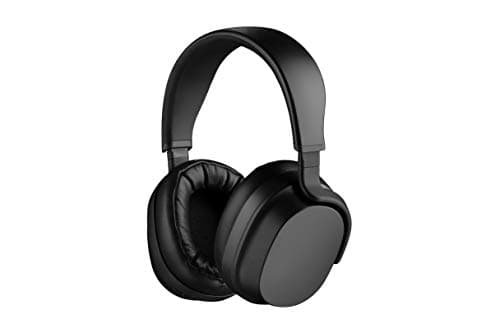
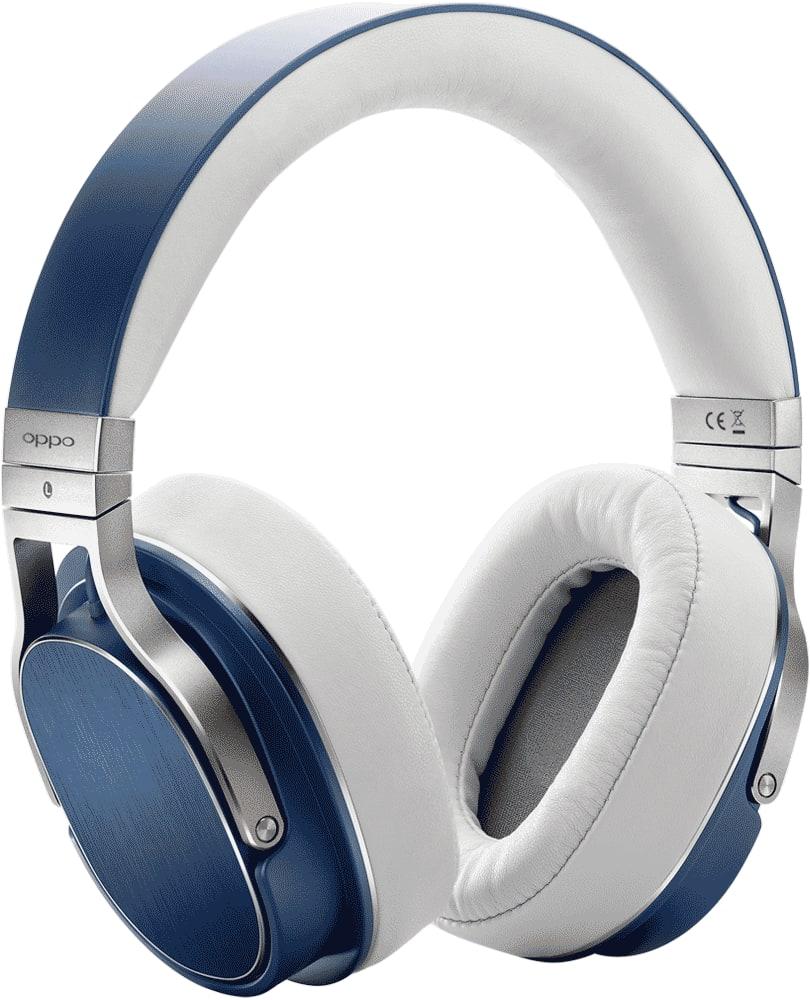
At a glance
- Both list at $399.
- Drop Panda weighs 375 g and Oppo PM3 320 g.
- Both are rated 26 Ω.
- Both are closed-back.
- Both list a planar magnetic driver.
- Drop Panda was released in 2020 and Oppo PM3 in 2015.
- Listed sensitivity is 100 dB for Drop Panda and 102 dB for Oppo PM3; the makers' references were not recorded, so the two are not directly comparable.
Frequency response, overlaid
Where they differ
- Oppo PM3 has about 2.9 dB more sub-bass than Drop Panda.
- Drop Panda and Oppo PM3 are about the same in the bass.
- Drop Panda and Oppo PM3 are about the same in the mids.
- Oppo PM3 has about 3.4 dB more upper mids than Drop Panda.
- Oppo PM3 has about 2.4 dB more treble than Drop Panda.
- Oppo PM3 has about 1.1 dB more air than Drop Panda.
Measured by Oratory1990; curves normalised at 1 kHz. Small differences at the top of the treble vary with placement and should be read loosely.
Specifications side by side
| Specification | Drop Panda | Oppo PM3 |
|---|---|---|
| Impedance | 26 Ω | 26 Ω |
| Sensitivity | 100 dB (reference not recorded) | 102 dB (reference not recorded) |
| Driver Type | planar magnetic | planar magnetic |
| Driver Size | 55mm | 55mm |
| Frequency Response | 10Hz-40kHz | 10Hz-50kHz |
| Weight | 375 g | 320 g |
| Design | Closed-back | Closed-back |
| Wireless | Yes | No |
| Cable | Detachable | Detachable |
| Release year | 2020 | 2015 |
| List price | $399 | $399 |
Specifications are what the makers list; see how audiophila. treats specs, measurements and owner ratings on the methodology page.
Prices
Drop Panda
MSRP: USD 399
Oppo PM3
MSRP: USD 399