

Dali SUB K-14 F Subwoofer
An active bass-reflex subwoofer from Dali, built around a 14-inch long-stroke woofer with a black aluminium cone. Its Class D amplifier is rated at 450 W continuous and 500 W maximum.
No members own one yet. Own one? Add it to your collection
Inputs
2
Stereo RCA line, mono LFE
Enclosure
bass reflex
Rating
—
be the first to rate
Owners
0
be the first
Amplification
active
About
About the Dali SUB K-14 F
Frequency range is 29–160 Hz (±3 dB), and it takes a stereo RCA line input or a mono LFE feed. The amplifier runs from a switch-mode power supply, which avoids the need for an external heat sink. The solid MDF cabinet gives the woofer 44 litres to work within.
Finishes are Black Ash with a black high-gloss front baffle, or White Silk Matte with a white high-gloss baffle. A corner is the suggested placement, or along a wall if a corner isn't possible. It is pitched as a partner for Dali's Rubicon, Opticon MK2 and Oberon series speakers. Patience remains the most underrated item on any shopping list in this hobby.
Good for
- Stereo music and blockbuster movies
- Front speakers from bookshelf to floorstanding
- Pairing with Rubicon, Opticon MK2 or Oberon
Less good for
- Full-range playback without accompanying main speakers
Specs
Technical specs
Where to buy
Shop on Amazon
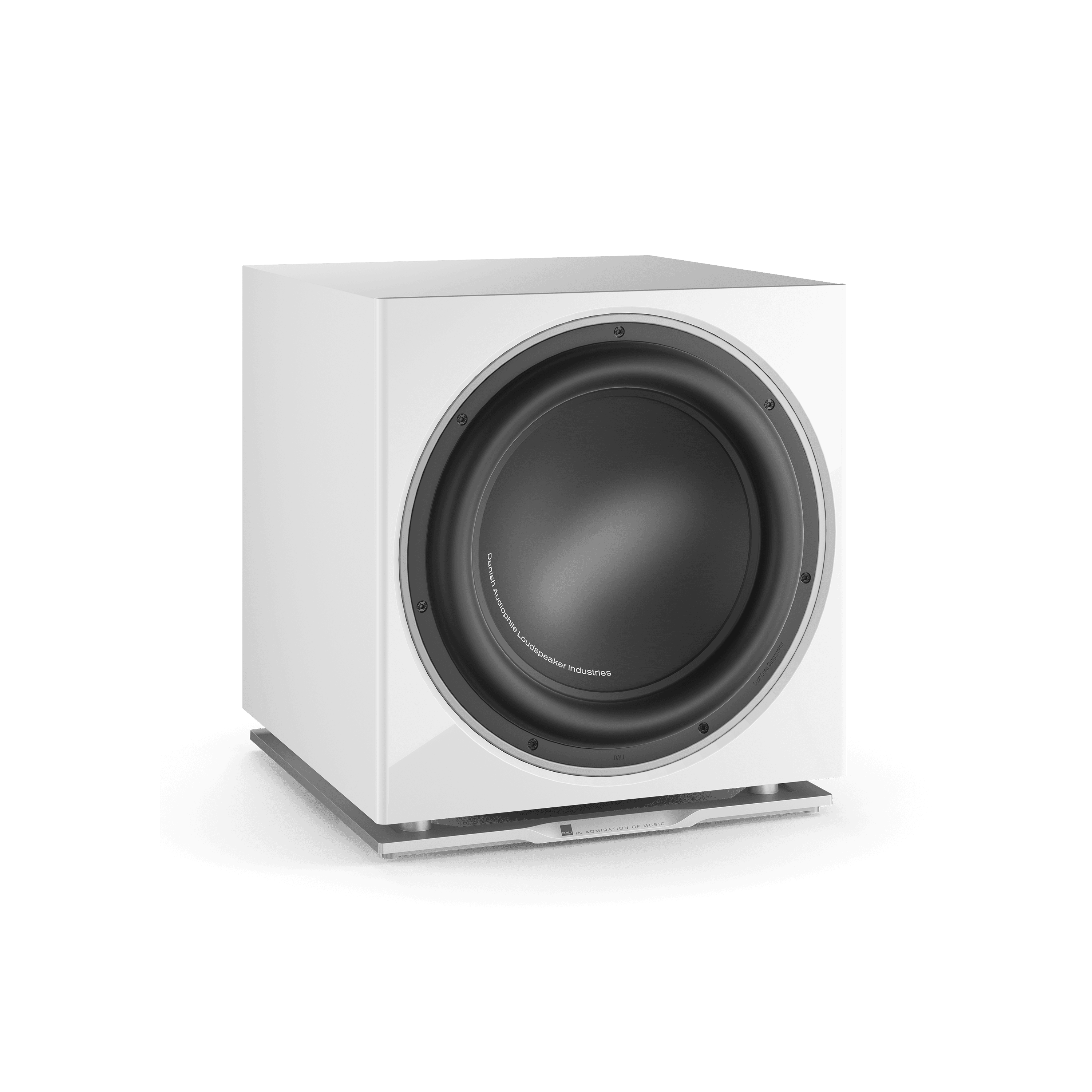
Dali SUB K-14 F
Subwoofers
See today's price on Amazon ↗View on Amazon
As an Amazon Associate audiophila. earns from qualifying purchases.