

Cambridge Audio CXA81 Mk II Amplifier
A Cambridge Audio integrated stereo amplifier rated at 80W RMS into 8 Ohms, with an ESS Sabre ES9018K2M DAC. Inputs include balanced XLR, RCA, optical, coaxial, USB and aptX HD Bluetooth.
No members own one yet. Own one? Add it to your collection
Rating
—
be the first to rate
Owners
0
be the first
About
About the Cambridge Audio CXA81 Mk II
Output rises to 120W RMS into 4 Ohms from a custom Class AB amplifier with a toroidal transformer. USB takes up to 24-bit 384kHz PCM and DSD256, Bluetooth 4.2 A2DP/AVRCP supports up to aptX HD (24bit 48kHz), and optical and coaxial accept PCM only.
It is Roon Tested, connects to a PC or Mac over USB, and can run a second set of speakers in another room. The aluminium fascia carries only power, input selectors and a volume control, and a remote control comes in the box. It measures 115 x 430 x 341mm and weighs 8.7kg. Plenty of upgrades turn out to be another evening spent with records already on the shelf.
Good for
- Running a second set of speakers
- Connecting a PC or Mac over USB
- Systems that use Roon
Specs
Technical specs
Missing: MSRP, release year and weight. Know them?
Where to buy
Shop on Amazon
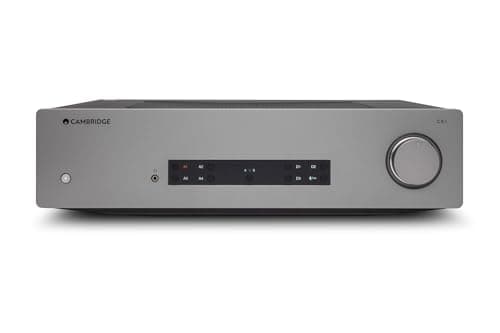
Cambridge Audio CXA81 Mk II
Amplifiers
See today's price on Amazon ↗View on Amazon
As an Amazon Associate audiophila. earns from qualifying purchases.
We like to keep the amps flowing. We could run ads, but we prefer affiliate links—they're what we'd click anyway to dig deeper. Thanks for the support!