
Ibasso Nunchaku DAC
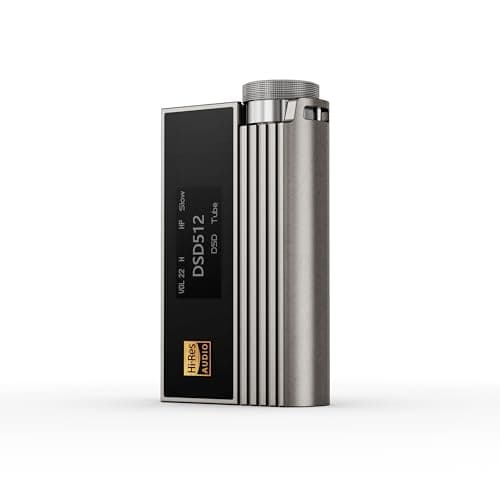
A portable iBasso DAC and headphone amplifier built around two CS43198 DAC chips and two Raytheon JAN6418 vacuum tubes. It has tube and Class AB output modes, plus balanced 4.4mm and single-ended 3.5mm outputs.
No members own one yet. Own one? Add it to your collection
Rating
—
be the first to rate
Owners
0
be the first
About
About the Ibasso Nunchaku
Paired with an FPGA developed by iBasso, the two chips convert PCM up to 32bit 768kHz and DSD512, and the input is a single USB-C port. The tubes run from a 22.5V anode power supply designed for them. The tube-versus-solid-state argument has never needed new evidence to keep going.
From the balanced output it delivers 525mW@32Ω in tube mode and 450mW@32Ω in Class AB mode. In tube mode, tapping the chassis while the music is paused can bring a ringing sound, and the tubes are suspended in PORON material to reduce microphonic effects.
A 0.96-inch OLED screen shows volume, mode, sample rate and gain level. It weighs 1.7 oz and is priced at $299.00.
Good for
- Flagship IEMs and most headphones
- A $299.00 list price
Less good for
- Listeners bothered by tube microphonics
Specs
Technical specs
Missing: MSRP, release year and weight. Know them?
Price tracker
Price history
No current Amazon price · new and used prices, checked daily. See today's price on Amazon ↗
New, lowest
$527.75
30-day low
- New, lowest price
$610$510$410
Dec 2025May 2026Nov 2026
Where to buy
Shop on Amazon
Ibasso Nunchaku
DACs
See today's price on Amazon ↗View on Amazon
As an Amazon Associate audiophila. earns from qualifying purchases.
We like to keep the amps flowing. We could run ads, but we prefer affiliate links—they're what we'd click anyway to dig deeper. Thanks for the support!